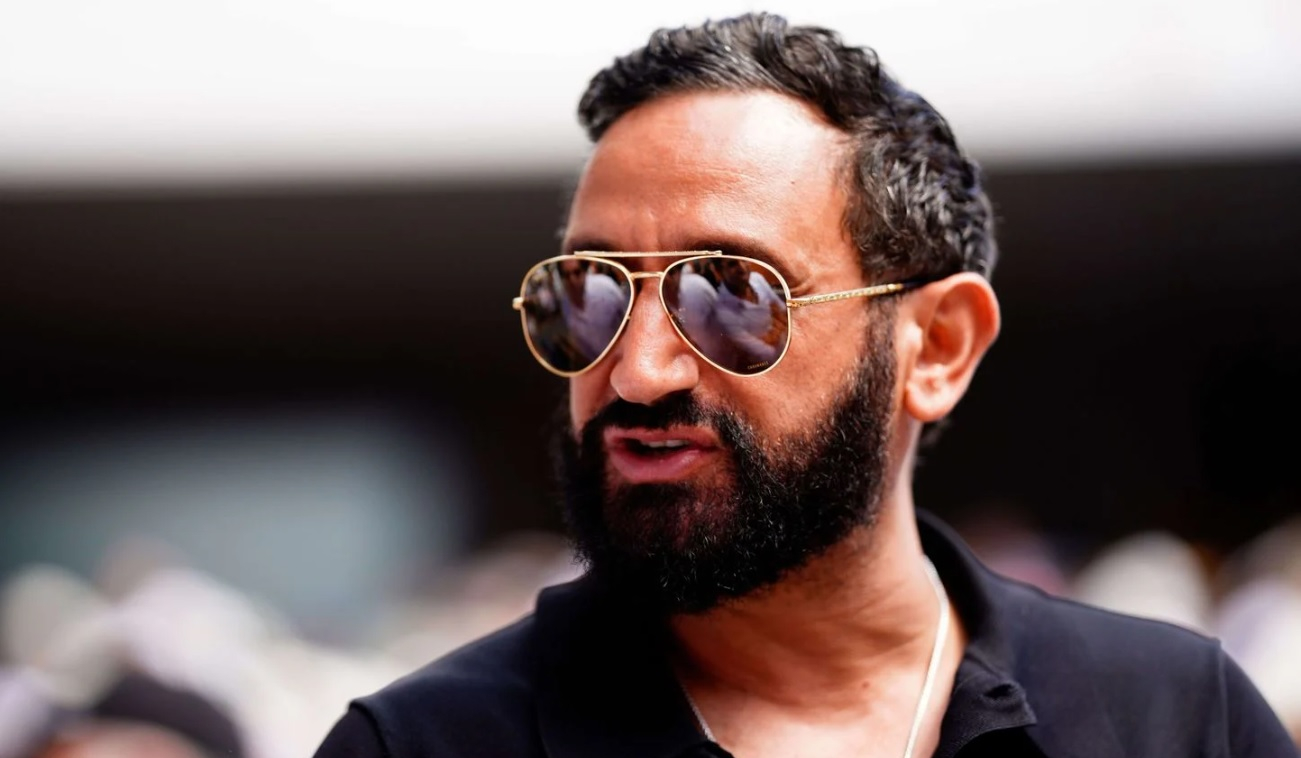
The Public Eye and Parental Philosophy: Understanding Cyril Hanouna's Stance
In the vibrant and often tumultuous world of French media, few figures command as much attention and debate as Cyril Hanouna. A prolific television host and producer, Hanouna is known for his candid, sometimes controversial, approach to various topics, making him a household name. As with many public personalities, interest often extends beyond their professional endeavors into their personal lives, particularly when their opinions touch upon universal themes like parenting and education. This fascination inevitably leads many to ask,
Quel Âge Ont Les Enfants De Cyril Hanouna? While the ages of his children are a matter of private family life, this very question underscores a broader public interest: how does a prominent figure, a parent himself, navigate and vocalize his views on the delicate subject of youth education, especially in the era of pervasive social media platforms like TikTok?
The curiosity surrounding the ages of Hanouna's children is not merely gossip; it's often an attempt to contextualize his perspectives. For many, a parent's views on upbringing gain significant weight when understood through the lens of their own experience. When Hanouna engages in debates about children's education, as he frequently does across various media, including those viral snippets often found on TikTok, his status as a father inevitably colors the discussion. His public persona, characterized by a blend of irreverence and genuine engagement, makes his opinions on topics ranging from screen time to curriculum content particularly noteworthy. Understanding his stance requires looking beyond simple age queries and delving into the philosophical underpinnings of his arguments, often amplified and dissected by the rapid-fire engagement of TikTok users.
TikTok's Role in Shaping Educational Debates
TikTok has emerged as a powerhouse for disseminating information, sparking trends, and perhaps most significantly, fueling public discourse. Its algorithm, designed for rapid virality, ensures that debates, opinions, and even nuanced discussions can reach millions in an instant. For a figure like Cyril Hanouna, whose content is inherently shareable and discussion-provoking, TikTok becomes an unintentional, yet powerful, amplifier of his educational philosophies. Videos capturing segments from his shows, where he engages in heated or thoughtful discussions about children's upbringing, quickly circulate, prompting a cascade of reactions, agreements, and disagreements among a diverse global audience.
The platform's short-form nature, however, often simplifies complex arguments, presenting them in digestible, sometimes oversimplified, snippets. This can be both a strength and a weakness. On one hand, it democratizes access to important societal debates, allowing parents, educators, and young people themselves to engage directly with differing viewpoints. On the other hand, it risks stripping away the context and nuance crucial for a balanced understanding. A "Débat sur l'éducation des enfants avec Cyril Hanouna" trending on TikTok might highlight a specific point he made, igniting passionate responses, but it might not always convey the full breadth of his argument or the counterpoints raised in the original discussion.
This dynamic means that Hanouna's "stance" isn't just what he explicitly states, but also how his statements are interpreted, re-contextualized, and reacted to by the TikTok community. It's a living, evolving discussion, constantly shaped by comments, duets, and stitches. For a deeper dive into how his public engagements shape these discussions, one might explore
Beyond Ages: Exploring Cyril Hanouna's Involvement in Kids' Debates, which delves into the broader implications of his media presence.
Navigating Modern Challenges: From Digital Literacy to Sensitive Topics
The landscape of youth education in the 21st century is fraught with complexities that extend far beyond traditional classroom learning. Modern parenting and pedagogy must grapple with issues ranging from digital citizenship and screen time management to mental health awareness and the introduction of sensitive social topics. Public figures like Cyril Hanouna, by virtue of their platforms, often find themselves at the nexus of these discussions, sometimes intentionally, sometimes inadvertently.
Consider, for instance, the recent public discourse surrounding events like an "Un stage de drag queens annulé pour des enfants de 11 à 17 ans," which, while not directly tied to Hanouna's specific views in the provided context, represents the kind of polarizing educational debate that frequently captivates public attention and is heavily discussed on platforms like TikTok. Such incidents bring to the forefront questions about age-appropriateness, parental consent, the role of schools versus families in moral and social education, and the boundaries of artistic expression versus child protection.
While the provided context doesn't detail Cyril Hanouna's specific opinions on this particular event, his general involvement in "débats sur l'éducation des enfants" suggests an engagement with such contemporary issues. His commentary often reflects a blend of traditional values and a modern understanding of media influence, appealing to a broad spectrum of parents. He might, for example, advocate for robust parental oversight in digital consumption, emphasize the importance of critical thinking skills to navigate complex online content, or express concerns about the early exposure of children to certain adult themes.
The discussion around these topics often highlights a generational divide in parenting philosophies. Older generations might prioritize protection and traditional values, while younger parents might emphasize openness, inclusivity, and early exposure to diverse perspectives. Hanouna, positioned as a public figure who speaks to a wide audience, often acts as a mirror to these societal tensions, facilitating conversations that might otherwise remain confined to private family circles. His views, openly discussed and often critiqued, offer a barometer of contemporary parental concerns and aspirations. To understand more about the breadth of his opinions, one could consult
Cyril Hanouna: His Views on Children's Upbringing Discussed on TikTok.
Practical Parenting Insights in the Digital Age
Beyond the debates and controversies, the underlying goal for most parents, including public figures, is to raise well-adjusted, responsible, and empathetic children. While Cyril Hanouna's specific advice would stem from his own experiences and opinions, general principles for navigating education in the digital age resonate broadly.
*
Foster Open Communication: Encourage children to talk openly about what they encounter online and at school. Create a safe space where they feel comfortable asking questions about sensitive topics without fear of judgment.
*
Prioritize Digital Literacy: Teach children to critically evaluate information, understand online privacy, and recognize the signs of misinformation or harmful content. This is more crucial than ever given the pervasive nature of platforms like TikTok.
*
Set Clear Boundaries: Establish clear rules around screen time, content consumption, and online interactions. Consistency is key to helping children develop healthy digital habits.
*
Lead by Example: Children often mirror their parents' behaviors. Demonstrate responsible media consumption, respectful online interactions, and a balanced approach to technology in your own life.
*
Engage with Educational Content: Seek out and encourage educational apps, shows, and online resources that align with your family's values and your child's developmental stage.
*
Emphasize Empathy and Respect: In a world brimming with diverse viewpoints, teach children the importance of understanding and respecting others, even when opinions differ. This is especially vital when discussing potentially polarizing topics.
*
Stay Informed: Keep abreast of new technologies, online trends, and educational methodologies. The digital landscape evolves rapidly, and staying informed allows parents to better guide their children.
*
Balance Protection with Exploration: While it's natural to want to protect children, it's also important to allow them opportunities to explore, learn from mistakes, and develop resilience. This balance is particularly challenging when navigating complex social issues.
These actionable tips, while not directly attributed to Hanouna, reflect the kind of guidance that emerges from the public discourse he often instigates. They aim to empower parents to create a supportive and intellectually stimulating environment for their children in an increasingly complex world.
Conclusion: The Evolving Landscape of Youth Education
Cyril Hanouna's engagement with discussions around youth education, prominently amplified on platforms like TikTok, serves as a significant reflection of contemporary societal concerns. While the specific question of
Quel Âge Ont Les Enfants De Cyril Hanouna might be a starting point for public curiosity, it ultimately leads to deeper considerations about his broader philosophies on parenting and the challenges of raising children in an interconnected, media-saturated world. His ability to spark debate and draw diverse reactions underscores the complexity and personal nature of educational choices. As technology continues to reshape how information is consumed and how opinions are formed, the role of public figures in initiating these critical conversations remains undeniable. Ultimately, the ongoing dialogue, whether sparked by a celebrity's viewpoint or a trending news item, enriches our collective understanding and helps shape the future of youth education.