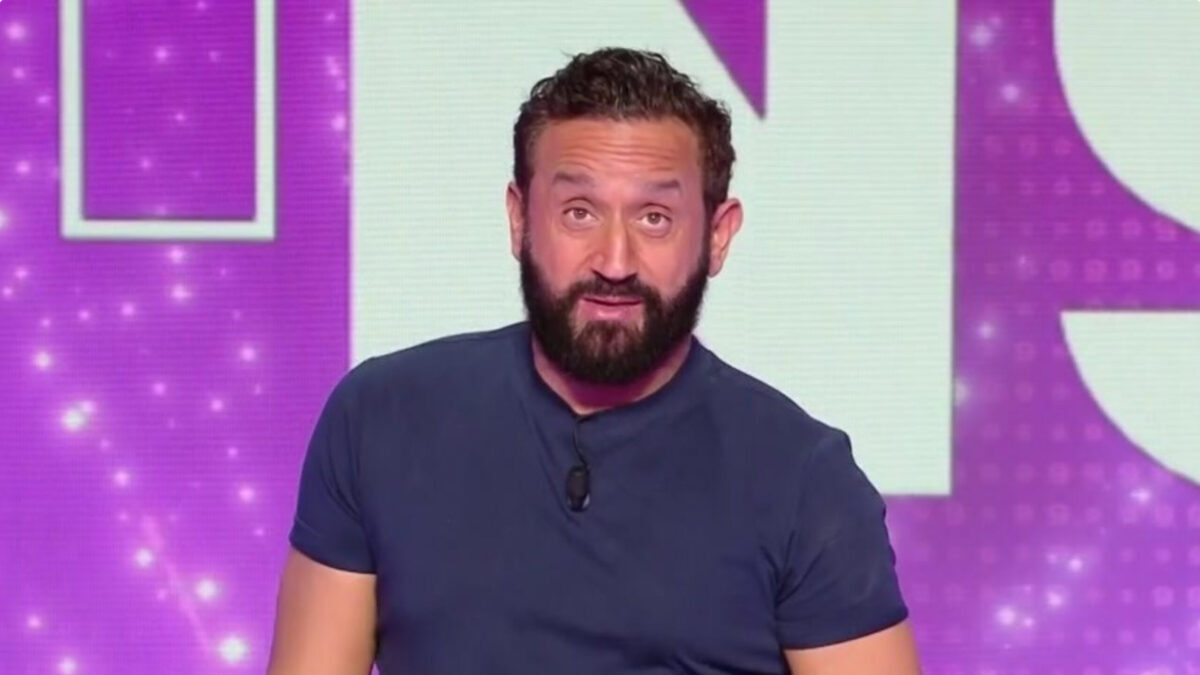
Beyond the Screen: Unpacking Cyril Hanouna's Engagement in Youth Discussions
Cyril Hanouna, a towering figure in French television, is renowned for his dynamic personality and his flagship show, "Touche Pas à Mon Poste" (TPMP). While his professional life is constantly under the spotlight, a recurring topic of interest for many of his viewers and the general public often revolves around his personal life, particularly his role as a parent. The question, Quel Âge Ont Les Enfants De Cyril Hanouna, frequently surfaces, reflecting a natural curiosity about how public figures balance their vibrant careers with family responsibilities. More than just age, the discussion extends to his perspectives on children's upbringing and education, often debated on and off his controversial platform.
In a world increasingly shaped by social media and rapid information sharing, personalities like Hanouna often find themselves at the epicenter of public discussions concerning societal values, including those pertaining to youth. His show, known for its lively debates and sometimes provocative stances, frequently touches upon themes relevant to parents and the education system. This article delves into the public's fascination with his family life, explores his known views on child education, and examines the broader context of how media figures contribute to crucial dialogues about the next generation.
Unveiling the Family Man: Quel Âge Ont Les Enfants De Cyril Hanouna?
For a personality as prominent as Cyril Hanouna, details of his private life are often sought after, yet he maintains a careful balance between his public persona and protecting his family. Fans and curious onlookers frequently inquire about his children, keen to understand the personal side of the often boisterous host. So, Quel Âge Ont Les Enfants De Cyril Hanouna?
Cyril Hanouna is a father to two children, a daughter named Bianca and a son named Lino. Bianca, his eldest, was born in March 2011, making her currently 13 years old (as of 2024). Lino, his son, was born in May 2012, making him currently 12 years old (as of 2024). Both children were born from his relationship with Émilie, from whom he is now separated but maintains an amicable co-parenting relationship. While Hanouna occasionally shares anecdotes about his children on air or on social media, he is largely protective of their privacy, choosing to keep them out of the intense glare of the public eye that defines much of his own life.
Understanding their ages provides a glimpse into the developmental stages he navigates as a parent. With children in their pre-teen and early teenage years, Hanouna is undoubtedly confronting the unique challenges and joys that come with guiding young adolescents through school, social development, and the digital age. This personal experience likely informs, at least implicitly, some of the discussions he permits or instigates on his show regarding youth culture, education, and parental responsibilities.
Cyril Hanouna's Voice in Youth Education Debates
Beyond the simple facts of his children's ages, Hanouna's role as a public commentator often extends into the realm of youth education and parenting philosophies. His show, TPMP, frequently features segments dedicated to societal debates, and children's education is a recurring theme. The very title of a relevant discussion, "Débat sur l'éducation des enfants avec Cyril Hanouna," as seen on platforms like TikTok, underscores his active participation in these conversations. He often invites experts, politicians, and fellow media personalities to dissect various aspects of schooling, upbringing, and the challenges faced by modern families.
Hanouna’s approach to these debates is often characterized by his willingness to tackle sensitive topics head-on, sometimes sparking controversy in the process. He acts as a moderator, a provocateur, and occasionally a voice of common sense, reflecting a wide spectrum of opinions. Whether discussing school reforms, the impact of technology on children, or the role of parents in shaping their children's values, his platform ensures these discussions reach a vast audience, stimulating dialogue across different demographics.
It's within these discussions that listeners can glean insights into Hanouna's own values regarding parenting. While he rarely speaks explicitly about his own parenting style, his reactions to various viewpoints, his questions, and his occasional personal anecdotes can reveal his emphasis on discipline, respect, and perhaps a desire for traditional values within a contemporary context. For a deeper dive into his views, consider exploring Cyril Hanouna's Stance on Youth Education: A TikTok Perspective, which might shed more light on specific instances of his public commentary.
Navigating Public Opinion: The Intersection of Media, Children, and Controversy
The public stage occupied by figures like Cyril Hanouna inevitably means that even indirect associations with children-related controversies can draw immense attention. For example, a discussion titled "Un stage de drag queens annulé pour des enfants de 11 à 17 ans," though not directly involving Hanouna, highlights the type of highly sensitive topics concerning children that capture public interest and often find their way into mainstream media debates. When such events unfold, media personalities are often expected to weigh in, shape narratives, and contribute to the discourse.
Hanouna's strength lies in his ability to gauge public sentiment and reflect it, even if controversially, on his show. This can be a double-edged sword: it makes his program engaging and relevant, but also opens it up to criticism regarding the sensationalization of certain topics. The discussion around children's activities, education, and exposure to different cultural elements is particularly fraught, requiring careful consideration and an understanding of diverse perspectives.
Tips for Parents Navigating Media Discussions on Children:
- Critical Consumption: Encourage children and young adults to critically evaluate media content, understanding that not all opinions presented are universally accepted truths.
- Open Dialogue: Use public debates as a springboard for family discussions about values, beliefs, and differing viewpoints.
- Fact-Checking: Verify information presented in media, especially concerning sensitive topics related to children's well-being and education.
- Media Literacy: Teach children about the purpose and biases inherent in various media formats, including talk shows and social media.
Practical Insights for Parents and Public Discourse
Beyond the entertainment value, Hanouna's show, by regularly hosting debates on education and parenting, inadvertently provides a public forum for viewers to consider various pedagogical approaches and societal concerns. This engagement, even if sometimes polarizing, underscores the importance of ongoing discussions about how best to raise and educate the next generation. As parents, educators, and citizens, our collective involvement in these conversations is crucial.
Actionable Advice for Engaging with Educational Debates:
- Stay Informed: Keep abreast of current educational trends, policy changes, and societal discussions affecting children and schools.
- Participate Locally: Engage with your local school boards, parent-teacher associations, and community groups to voice your opinions and contribute to local educational decisions.
- Seek Diverse Perspectives: Do not limit yourself to a single media outlet or personality. Explore a range of views on child education to form a well-rounded understanding.
- Prioritize Children's Well-being: In all discussions, the ultimate goal should be to advocate for policies and practices that foster a safe, inclusive, and stimulating environment for children's growth and learning.
- Lead by Example: Demonstrate responsible media consumption and respectful debate within your own family and community.
Cyril Hanouna's involvement in these discussions, whether direct or indirect, serves as a reminder of the powerful role public figures play in shaping public opinion. For more insights into his broader views, you might find Cyril Hanouna: His Views on Children's Upbringing Discussed on TikTok to be a valuable resource.
Conclusion
The interest in Quel Âge Ont Les Enfants De Cyril Hanouna is more than just curiosity; it reflects a broader societal engagement with public figures who are also parents. Hanouna, with his children Bianca and Lino now in their early teens, navigates the complexities of fatherhood while simultaneously hosting a platform that frequently dives into the heart of youth education and parenting debates. His unique position allows him to influence and reflect public sentiment on critical issues affecting children, education, and family values. While his methods may sometimes spark controversy, the conversations he facilitates are undeniably vital for a society grappling with the challenges and opportunities of raising the next generation in an increasingly complex world. Ultimately, understanding his role extends beyond his personal family life to his significant impact on France's ongoing dialogue about its future—its youth.